CVMA is excited to offer this new Online Course Program which provides participants the opportunity to take accredited 6-hour RACE courses from anywhere with a high-speed internet connection and a computer. The courses are divided into three, two-hour virtual sessions scheduled to take place on Wednesdays from 12:30pm-2:30pm CT.
CVMA U Online Course
Emergency and Critical Care (ECC) for the General Practitioner
Course takes place during three, two-hour, real-time sessions for a total of 6 CE RACE credit hours.
Sessions are from 12:30pm-2:30pm on April 8th, 15th, and 22nd, 2026.
Please call 630.325.1231 for any questions.
ECC in veterinary medicine provides urgent and life-saving care for animals. This course will cover the following Emergency and Critical Care topics for the general practitioner:
Identifying shock and developing a fluid therapy plan
Fluid therapy is a mainstay of emergency and critical care. We need to know how to develop a fluid therapy plan when we reach for a bag of fluids or a blood product. In this lecture, we will talk about identifying shock in dogs and cats then how to tailor your fluid therapy plan to each patient. We will have examples of cases to work through as part of our discussion.
Emergency respiratory techniques and anesthesia considerations
We are often faced with patients that have respiratory compromise in practice, regardless if the practice is small animal general practice or an ER. Because of that, we should have an awareness of the techniques available we can use to stabilize and treat patients when needed. Anesthesia options and complications will be discussed. Even if you are not doing the procedure, it’s helpful to have awareness and talking points for clients if referral is warranted. We will cover nasal oxygen catheter placement, thoracocentesis, tracheostomy, and chest tube placement.
Interpreting ECGs in the ER
ECGs and their interpretation is commonplace in any small animal practice. In this lecture, we will review common ECG abnormalities in small animal emergency patients, using point of care testing to aid in diagnosis as well as treatment options for these situations. We will use case examples as a guide to developing a triage and stabilization plan for our canine and feline patients in the ER and ICU.
Gastric dilatation volvulus
Gastric dilatation volvulus is a life threatening disease that can affect any dog, but overrepresented in large or giant breed dogs. While you may not see many in a day practice, you have an opportunity to treat if they do before referral. Our goal today is identification, stabilization, surgical options and treatment.
Pyometra
Pyometra is a common emergency that involves the reproductive tract of dogs and even cats. It may be an emergency that presents during the day or you may be faced with this surgical emergency in your practice. We review identification, stabilization and treatment options for these patients, and how to manage their analgesia pre and post procedure.
Post op care of the neonatal patient
We may be tasked with managing a dystocia or a planned C-section for patients, especially brachycephalic dogs and cats. In this lecture, we will cover how to assemble a team to take care of the patients as they are removed from the uterus, how to resuscitate and recent RECOVER guidelines, and complications to anticipate for these patients.
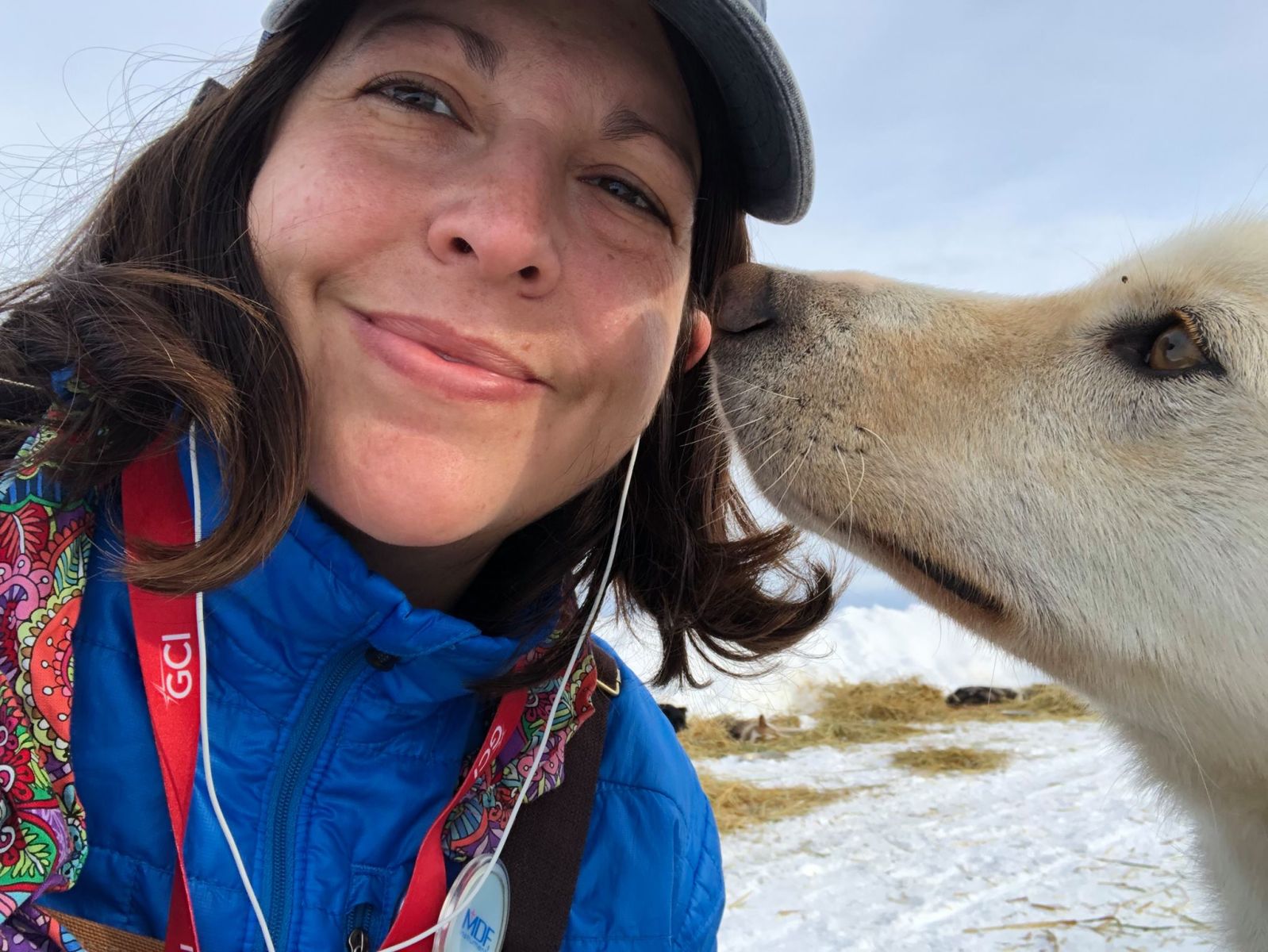
Speaker: Caroline Tonozzi, DVM, DACVECC
Speaker Bio: Dr. Tonozzi graduated from the University of Illinois College of Veterinary Medicine in 2003. She then completed a small animal rotating internship at VCA Veterinary Referral Associates in 2004, and went onto a residency in small animal emergency and critical care at Animal Emergency Center in Glendale, Wisconsin. She completed her residency in 2007, and became board certified in SA ECC in 2008. She was the director of Emergency Medicine at VCA Aurora Animal Hospital from 2007-2017, and then went on to become service head of SA ECC at University of Illinois College of Veterinary Medicine. She currently works for Mission Veterinary Partners (MVP) as a clinical consultant specialist in emergency and critical care and works at the College of Veterinary Medicine in the Emergency Room and the Clinical Skills lab. Dr. Tonozzi has been published in Compendium, JAVMA, and JVECC, and has lectured at local and international conferences on various topics related to small animal emergency, critical care, and surgery. She has been a volunteer trail veterinarian for the Iditarod Sled Dog race since 2016.
CVMA U Pricing List
